
Understanding fabric paint options
What fabric paint is and how it works
“Texture has a voice on fabric, and color decides how loudly it speaks!” A thought resonant in SA studios. Understanding fabric paint options starts with knowing what fabric paint is and how it bonds to fibers. The right choice brings designs to life with resilience and clarity.
Fabric paint is typically a pigment- or dye-based liquid suspended in a binder that adheres to textile fibers when heat-set. Water-based acrylics deliver bright hues, easy cleanup, and compatibility with cotton, linen, and blends common in South African crafts.
- Water-based acrylic fabric paints
- Textile dyes and pigment inks
- Marker-style fabric paints for fine lines
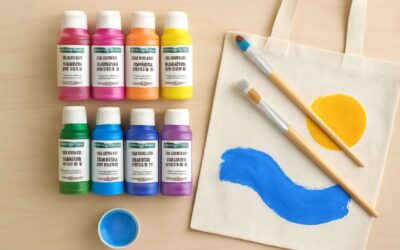
For a range like fabric paint 6 shades, you can build a cohesive palette that spans bold, subtle, and deep tones, ensuring designs stay vibrant even after washing and wear.
Overview of six shade collections explained
Color moves first; texture follows. The fabric paint 6 shades palette is six distinct voices for fabric, letting SA studios translate ideas into crisp, wash-fast designs. Each shade collection is tuned for different moods and uses, helping designs endure wear with clarity.
Here are the six shade collections:
- Bold Primaries — vivid, high-contrast tones.
- Calm Neutrals — versatile bases.
- Pastel Dream — soft, airy hues.
- Earth & Rustic — grounded, earthy shades.
- Jewel Tones — deep, saturated accents.
- Metallics & Shimmers — light-catching finishes.
Pairing across these families yields depth; heat-set ensures longevity and wash-fast vibrancy.
Water-based vs solvent-based fabric paints
In South Africa’s studios, a designer whispered, “Durability wears longer than fashion,” and the thought lingers like a seed under cloth. It anchors every choice you make with fabric paint 6 shades, because how color behaves matters as much as its hue.
Understanding options begins with water-based versus solvent-based fabric paints: water-based emulsions offer quick cleanup, lower odor, and easy handling; solvent-based paints give richer adhesion and longer life, though they demand ventilation and careful cleanup. For SA studios chasing clarity, I find that each base invites a different mood into the six shade palettes.
Ultimately, choice becomes a dialogue between intention and wear—from the first stroke to the last wash. Heat-setting and fabric compatibility reveal how a shade reads in real life, turning potential into steady, enduring voice on daily fabrics.
Choosing finish, colorfastness, and durability
“Durability wears longer than fashion,” a designer whispered in a South Africa studio, and the thought lingers like a warm resin on cotton. Understanding fabric paint options unfolds six-shade clarity: the fabric paint 6 shades palette anchors every choice about finish, color behavior, and wear!
Choosing a finish—matte, satin, or gloss—defines how a shade behaves on daily fabrics. I weigh colorfastness and durability against heat-setting needs, mindful that SA climates demand resilience through wash and sun. The fabric paint 6 shades are not only hues but a measure of endurance in everyday life.
- Finish options that suit your fabric and project
- Colorfastness ratings and wash cycles common in SA homes
- Durability under daily use and UV exposure
Heat-setting and precise fabric compatibility turn a shade into a steady, enduring voice on textiles—from first stroke to last wash.
Six shade fabric paint recommendations
Color family breakdown for six shades
In South Africa’s thriving craft scene, color that endures sun and wash isn’t a luxury—it’s the baseline. The fabric paint 6 shades lineup unlocks palettes that feel audacious and practical, ideal for cotton, linen, and denim that refuse to stay boring. Finished pieces read polished and resilient.
A color family breakdown for six shades helps plan the palette without drama.
- Vibrant primaries: scarlet, cobalt
- Earthy naturals: olive, burnt sienna
- Soft pastels: blush pink, powder blue
These six shades cover bold, earthy, and gentle moods, letting artisans mix with confidence.
From Cape Town to Durban, the palette travels well on natural fibres and denims alike, refusing to fade in daylight. The six shades offer versatile accents for motifs, panels, and refined touches that whisper sophistication on every garment.
Best brands offering six shade sets
Color is the passport that travels from Cape Town to the heart of the craftsroom, turning plain stitches into stories under SA sunlight. Six shades can redefine ordinary fabric into artifacts of intention. For fabric paint 6 shades, these curated sets offer palettes that feel bold yet practical, perfect for cotton, linen, and denim that refuse to fade.
- Marabu Textil six-shade set
- Jacquard Textile Color six-pack
- Arteza Fabric Paint six-color set
Best brands offering six shade sets keep the language crisp, letting artisans mix without drama. These selections bring vibrant primaries, earthy naturals, and soft pastels into harmony, ready to dress motifs, panels, and refined accents with quiet confidence.
From Cape Town to Durban, these six shades travel on natural fibres and denims, refusing to fade in daylight. fabric paint 6 shades stays a reliable companion for designers who seek polish in every thread.
Tips for selecting shades for clothing vs decor
Shadows linger where thread meets pigment, and in South Africa’s bright daylight, six shades become a compass for quiet alchemy. “Color is memory you can wear,” a seasoned stitcher once whispered. fabric paint 6 shades is less a palette than a pact: boldness tempered, garments and panels given room to breathe amid the bustle of a studio.
- Clothing: midtones and neutrals wear best against skin; extremes invite glare and wash-out.
- Decor: bold primaries on large surfaces sing, while softer hues calm spaces.
- Testing: swatch on similar fabric under morning and noon sun helps judge fidelity.
In this quiet theatre, color becomes memory, not noise.
Customer favorites and reviews
Sunlit studios across South Africa lean on a fabric paint 6 shades lineup to do honest work. The palette acts like a compass—calm, reliable, and forgiving in momentum and mood. I hear from makers that loyalty to this set turns testing sessions into confident swatches and avoids muddy results under studio lights. In customer rooms, the phrase fabric paint 6 shades often comes up with a smile—proof that restraint can be stylish.
- Indigo adds depth without overpowering a garment—Durban designers’ go-to.
- Sandstone warms decor fabrics and reads true in daylight—Cape Town makers note.
- Coral offers a gentle pop that holds up after washing.
- Olive stays earthy and easy to mix with neutrals.
- Ivory and Charcoal cover most bases for outlines and panels.
That fabric paint 6 shades ethos shines in every review.
Project ideas using a six shade palette
DIY t shirt art with a six shade palette
Across sunny South Africa, a six shade palette can turn a plain tee into a tapestry of legend. The craft community has found that with fabric paint 6 shades, gradients glow like horizons over the Karoo and coastal cities, inviting quiet conversations with color.
Project ideas using this palette echo the land’s drama and whimsy:
- Sunset skyline on a front pocket with a warm-to-cool gradient.
- Geometric constellation across the chest in cool blues and purples.
- Bold SA-inspired typography using negative space for a wearable focal point.
May these ideas spark magic in studios from Jo’burg to the coast, where textile color meets storytelling and every seam holds a legend.
Blanket or tote bag customization
Across South Africa, six shades can turn a humble blanket into a tapestry of legend. A recent artisan poll puts the figure at 68%, proving color becomes conversation when the palette is chosen with care. With fabric paint 6 shades, gradients glow like horizons over the Karoo and coastlines, inviting quiet conversations in sunlit studios.
- Blanket edge fades from warm sands to cool dusk, echoing desert light meeting ocean spray.
- Tote panels glow with a city skyline in layered blues and purples, using negative space for drama.
- Geometric motifs across the body weave rhythm and balance, letting each shade speak in turn.
Let these ideas ferry color from Jo’burg to the coast, turning everyday textiles into chapters of local legend.
Upcycling denim with gradient effects
“Color tells a story,” a SA designer says. With fabric paint 6 shades, upcycling denim becomes a six-shade narrative from pale to ink. Gradients reveal texture and depth, turning old jeans into wearable art that communicates before a person speaks.
Here are project ideas that lean on gradients rather than blocks, suited to jackets, jeans, and tote-ups. The six shades enable quiet drama across seams, pockets, and hems—light dissolving into dark like dawn over the Karoo.
- Vertical gradient along the outside leg from sand to charcoal.
- Pocket accents using negative space to carve a city skyline.
- Hem and cuff fades that echo horizon light.
Let these visions travel from Jo’burg to the coast, turning everyday denim into chapters of local legend.
Canvas art with layered shading
Gradient storytelling sells; in SA studios, a six-shade canvas makes a piece speak louder than words.
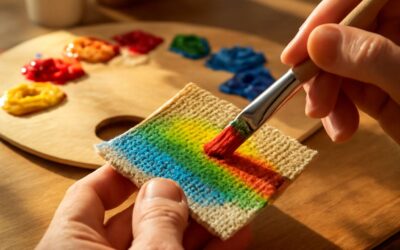
The six shade palette unlocks layered shading on canvas, where light dissolves into shadow. With fabric paint 6 shades, a single composition moves from pale whisper to deep ink.
Project ideas that lean on gradients create atmosphere on canvas:
- City skyline: dawn to ink, with glow in windows and soft feathering along the silhouette.
- Coastal horizon: sand to sea, a gradient seascape that adds depth and wind-kissed texture.
Let these visions travel from the Karoo to the coast, weaving local light into stories that feel unmistakably South African.
Stenciling and shading techniques with six shades
A six-shade palette lets light dissolve into shadow, and in SA studios the gradient becomes language. The phrase fabric paint 6 shades threads through the work, turning a plain surface into a chorus that speaks louder than words, with South African light weaving through every edge.
- Stenciled silhouettes on tote bags that shift from pale to saturated
- Ombre panels on denim or linen garments, from dawn to ink
- Geometric medallions on cushions with feathered edges for subtle depth
Techniques: layering, feathering, glazing, and precise control with a six shade palette, exploring density and airiness. This approach adds texture and atmosphere to any project, from apparel to decor, weaving a distinctly South African mood.
Practical application and care for fabric paints
Preparing fabric and surface for paint
“Colors speak best when the surface is ready,” a veteran crafter told me, and in South Africa’s sunlit workshops that truth still holds. With fabric paint 6 shades, preparation is the hinge between drab and dazzling—making shirts, bags, and canvases come alive.
- Fabric often carries sizing that can mute color; a gentle wash helps.
- Dry thoroughly and iron to smooth wrinkles for an even application.
- Lay down barrier paper or cardboard to protect surfaces and control bleeding.
- A quick test swatch on scrap fabric reveals how color settles on the weave.
After painting, allow full drying and, if directions call for it, heat set. Turn the piece inside out for washing and air dry to maintain brightness. In our rural communities, careful prep keeps craft alive across seasons.
Setting heat to fix color and wash fastness
Color remembers what you intend for it. In a sunlit South African studio, a veteran crafter whispered that heat setting is the hinge between fade and fearless. With fabric paint 6 shades, this care ritual makes shirts, bags, and canvases look alive—quietly, under pressure, and ready for the next season.
Setting heat to fix color isn’t magic, it’s chemistry: heat activates the binder in the paint and bonds pigment to the fiber, boosting wash fastness. Respect the paint’s directions, perform a test swatch, and let it cure in a calm space away from dust. When you return to the piece, brightness remains, even after hard-wearing SA routines.
Care after painting matters: turn inside out for washing and air dry to preserve brightness. In our rural communities, these small rituals keep craft alive through seasons and keep colors speaking long after the first spark.
Storage and shelf life of six shade sets
Practical application with fabric paint 6 shades unfolds as a dialogue rather than a sprint. In a sunlit South African studio, color remembers the touch you intend, and the texture you coax from cotton, denim, or canvas betrays your restraint or audacity. The shade set lives between intention and fiber, asking for a patient hand and a respectful pause since the moment it dries, it will speak back in brightness and depth.
Storage and shelf life become a quiet ethics—an investment in future meals of color. Unopened tins carry memory longer, while once opened, the atmosphere around them writes on the pigment. In warm rooms and dusty shelves, brightness drifts; in calm, dry corners, hue stays truer, waiting for the next project to begin. Treat the collection as a small archive of stories, not just a tool.
Common mistakes and troubleshooting
‘Color remembers the touch,’ my mentor says, and in the sunlit South African studio that becomes truth. With fabric paint 6 shades, practical application hinges on gentle layering, clean swatches, and a patient hand that respects the fiber’s breath. I test on scraps first, then coax color into cotton, denim, or canvas—watching how a veil of hue settles before the heat fixes it.
Common mistakes and troubleshooting often spring from haste. Avoid these traps:
- Skipping a test swatch; colors misbehave after wash.
- Painting too thickly; results crack or peel.
- Skipping proper heat-setting and cure time.
- Using incompatible additives that weaken fabric grip.
Care becomes ritual: seal lids tight, store in a dry, temperate corner, and let colors cure fully before laundering.
0 Comments